
Chagga Pharmacy
"Chagga remedies and tea – preserving the healing secrets of the Kilimanjaro slopes."
.jpg)
Chagga African Juniper (Juniperus procera)
Juniperus procera, commonly known as African Juniper or East African Pencil Cedar, is a vital component of traditional medicine in East Africa and the Arabian Peninsula. Various parts of the tree—including leaves, bark, twigs, and berries—are used to treat respiratory infections, digestive ailments, skin diseases, and more. Junipers vary in size and shape from tall trees, 65 to 130 feet (20 - 40 m) tall, to columnar or low spreading shrubs with long trailing branches. They are evergreen with needle-like and/or scale-like leaves. They can be either monoecious or dioecious. The female seed cones are very distinctive, with fleshy, fruit-like coalescing scales which fuse together to form a "berry"-like structure, 0.16 to 1 inch (4 - 25 mm) long, with 1 to 12 unwinged, hard-shelled seeds. In some species these "berries" are red-brown or orange but in most they are Blue; they are often aromatic and can be used as a spice. The seed maturation time varies between species from 6 to 18 months after pollination. The male cones are similar to those of other Cupressaceae, with 6 to 20 scales; most shed their pollen in early spring, but some species pollinate in the autumn. Many junipers (e.g. Juniperus chinensis, Juniperus virginiana) have two types of leaves: seedlings and some twigs of older trees have needle-like leaves 0.4 to 1 inch (5 - 25 mm) long; and the leaves on mature plants are (mostly) tiny 0.08 to 0.16 inch (2 - 4 mm) long, overlapping and scale-like. When juvenile foliage occurs on mature plants, it is most often found on shaded shoots, with adult foliage in full sunlight. Leaves on fast-growing 'whip' shoots are often intermediate between juvenile and adult. In some species (i.e. Juniperus communis, Juniperus squamata), all the foliage is of the juvenile needle-like type, with no scale leaves. In some of these (i.e. Juniperus communis), the needles are jointed at the base, in others (i.e. Juniperus squamata), the needles merge smoothly with the stem, not jointed. The needle-leaves of junipers are hard and sharp, making the juvenile foliage very prickly to handle. This can be a valuable identification feature in seedlings, as the otherwise very similar juvenile foliage of cypresses (Cupressus, Chamaecyparis) and other related genera is soft and not prickly. Juniper is the exclusive food plant of the larvae of some Lepidoptera species including Bucculatrix inusitata and Juniper Carpet, and is also eaten by the larvae of other Lepidoptera species such as Chionodes electella, Chionodes viduella, Juniper Pug and Pine Beauty; those of the Tortrix Moth (Chionodes duplicana) feed on the bark around injuries or canker. The number of juniper species is in dispute, with two recent studies giving very different totals, Aljos Farjon (2001) accepting 52 species, and Adams (2004) accepting 67 species. The junipers are divided into several sections, though (particularly among the scale-leaved species) which species belong to which sections is still far from clear, with research still on-going. The section Juniperus is an obvious monophyletic group though. Juniper berries are a spice used in a wide variety of culinary dishes and best known for the primary flavoring in gin (and responsible for gin's name, which is a shortening of the Dutch word for juniper, genever). Juniper berries are also used as the primary flavor in the liquor Jenever and sahti-style of beers. Juniper berry sauce is often a popular flavoring choice for quail, pheasant, veal, rabbit, venison and other meat dishes. Many of the earliest prehistoric people lived in or near juniper forests which furnished them food, fuel, and wood for shelter or utensils. Many species, such as Juniperus chinensis (Chinese Juniper) from eastern Asia, are extensively used in landscaping and horticulture, and as one of the most popular species for use in bonsai. It is also a symbol of longevity, strength, athleticism, and fertility. Some junipers are susceptible to Gymnosporangium rust disease, and can be a serious problem for those people growing apple trees, the alternate host of the disease. Some junipers are given the common name "cedar," including Juniperus virginiana, the "red-cedar" that is used widely in cedar drawers. In Morocco, the tar (gitran) of the arar tree (Juniperus phoenicea) is applied in dotted patterns on bisque drinking cups. Gitran makes the water more fragrant and is said to be good for the teeth. American Indians, such as the Navajo, have traditionally used juniper to treat diabetes. Animal studies have shown that treatment with juniper may retard the development of streptozotocin-induced diabetes in mice. Native Americans also used juniper berries as a female contraceptive. The 17th Century herbalist physician Nicholas Culpeper recommended the ripened berries for conditions such as asthma and sciatica, as well as to speed childbirth. Juniper berries are steam distilled to produce an essential oil that may vary from colorless to yellow or pale green. Some of its chemical components are alpha pinene, cadinene, camphene and terpineol. Juniper in weave is a traditional cladding technique used in Northern Europe, e.g. at HavrÃ¥, Norway. Traditional Medicinal Uses Respiratory Illnesses: Smoke from burned twigs and seed cones is inhaled as an expectorant to treat flu-like symptoms and asthma. Wound and Skin Care: Ground dried leaves are applied directly to wounds on both humans and animals. It is also used to treat skin infections, ulcers, and rheumatism. Intestinal and Parasitic Issues: Infusions made from young twigs are used as a remedy for intestinal worms. Women's Health and Fever: Bark macerations are used as a vaginal wash and to manage reproductive issues (birth control). A hot bath containing leaves is used for treating fever. Dental Care: The stem is used as a toothbrush, and charcoal from the plant is applied to treat gum bleeding. Veterinary Medicine: Ground leaves are mixed with water as a drench for horses with stomach problems, while a decoction of young branches is used to treat skin diseases (itch) in camels. Chemical Composition and Phytopharmacology. Research supports many of these traditional uses through studies on the plant's bioactive compounds, which include terpenoids, flavonoids, tannins, saponins, and alkaloids. Anticancer Potential: Studies on J. procera leaves and fruits, particularly in Saudi Arabia, show significant cytotoxic activity against cancer cells (such as breast and ovarian cancer). Antimicrobial and Antifungal: Extracts have shown effectiveness against Aspergillus fumigatus and Fusarium chlamydosporum, as well as common bean bacterial pathogens. Other Activities: The plant has shown antioxidant, antimalarial, and antileishmanial properties in scientific studies. Cultural Significance. Beyond direct medicinal application, the plant is used for smoking milk containers, making furniture, and constructing beehives. In Ethiopia, it has significant ceremonial value, particularly during the Meskel festival.
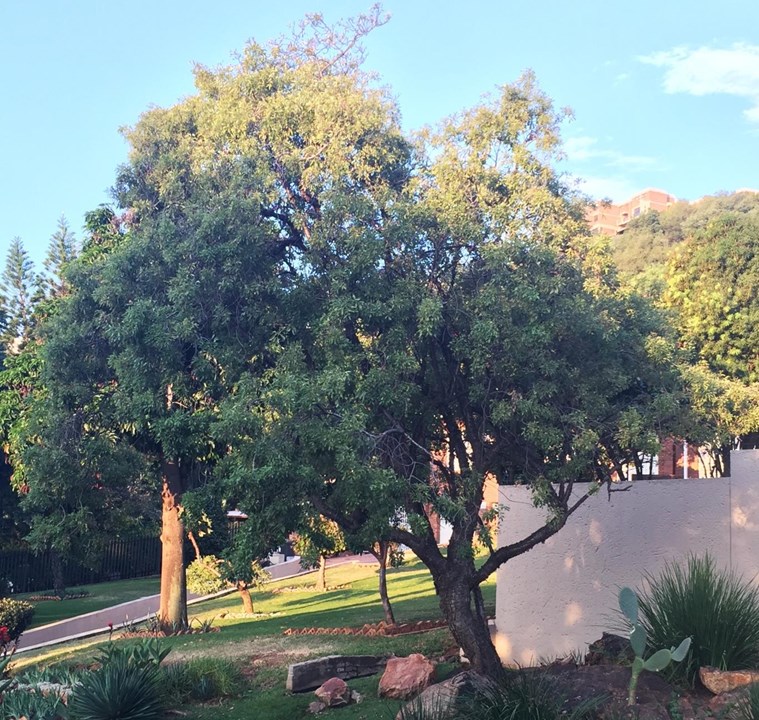
Chagga Muna Tree (Ficalhoa laurifolia)
Ficalhoa laurifolia, commonly known as the Muna tree or Mumaga (Rukiga), is a small to medium evergreen tree in the tea family (Theaceae) found in the upland rain forests and riverine areas of Tanzania, Zaire, Angola, and the mountainous regions of Uganda (Bwindi Forest and Ruwenzori Mountains). In traditional medicine, it is highly valued for its medicinal bark and leaves. Traditional Medicinal Uses. Stomach and Gastrointestinal Health: The bark of the Ficalhoa laurifolia tree is commonly used to treat stomach problems. Anthelmintic (Parasite Control): The fruits are used in traditional practices to treat tapeworms, though it is noted to work slowly and possess some toxicity. Wound Care and Skin Conditions: The bark is used in the treatment of wounds, often acting as an astringent. Malaria and Fever: Its uses are often linked to treating parasitic blood infections and fever. Respiratory Ailments: It is used to treat conditions affecting the throat. Botanical Description Appearance: A small to medium evergreen tree (6-24 m tall) with a straight, cylindrical trunk. Bark: Smooth when young, becoming rough and fissured with white latex when cut. Leaves: Leathery, long-oval with pointed tips and finely serrated edges. Flowers: Small, yellow-white-green clusters. Fruit: Small, woody hemispherical capsules (3 mm) that release tiny winged seeds.
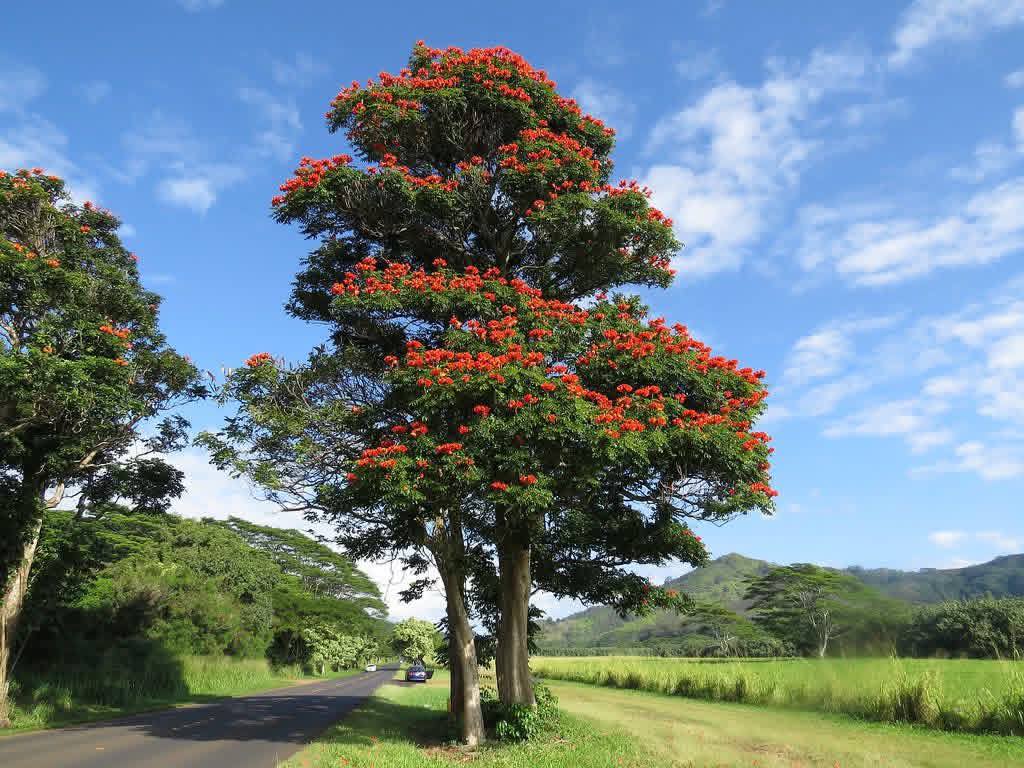
Chagga Flame Tree (Spathodea campanulata)
Spathodea campanulata, commonly known as the African Tulip Tree or Flame Tree, is a significant medicinal plant in traditional African and Indian (Ayurvedic) systems, utilized for its diverse pharmacological properties. Different parts of the tree—including the bark, leaves, and flowers—are employed to treat conditions ranging from skin infections and wounds to liver issues and malaria. Traditional Medicinal Uses. Skin and Wound Care: Bark pulp and crushed flowers are frequently applied to treat skin diseases like herpes, sores, and ulcers. Poultices of flowers are used in Nigeria to treat skin ulcers, while Ghana uses bark infusions for burns. Gastrointestinal Disorders: Decoctions of the bark are used to treat stomach aches, constipation, and dysentery. Fever and Malaria: In West Africa, the bark is used as an emetic to treat fever. The leaves are noted for their anti-malarial action. Liver Support: In South Indian traditional medicine, bark powder is used as a liver protective. Genitourinary Issues: Cold leaf infusions are utilized in Senegal to treat urethral inflammation, gonorrhea, and women's pelvic disorders. Respiratory and Pain Relief: Leaf infusions are used to relieve respiratory congestion, and bark decoctions are used for joint pain. Antidote: Leaves are sometimes used as an antidote against animal poisons. Key Bioactive Compounds. Phytochemical studies of Spathodea campanulata indicate the presence of bioactive compounds that support its traditional uses: Iridoids (e.g., campenoside): These may provide anti-inflammatory and immune-modulating effects. Flavonoids (e.g., quercetin): Act as antioxidants. Triterpenoids (e.g., oleanolic acid): Contribute to hepatoprotective (liver-protecting) and anti-ulcer properties. Phenolic Compounds: These are linked to antimicrobial and antifungal activities. Pharmacological Research and Evidence. Modern studies have validated several traditional uses: Anti-inflammatory: Bark extracts have shown significant reductions in inflammation, performing similarly to ibuprofen in studies. Wound Healing: Research supports its efficacy in promoting granulation tissue formation. Hepatoprotective: Animal studies (e.g., in goats) suggest leaf extracts help protect liver cells. Antimicrobial: Research confirms that extracts are active against Staphylococcus aureus and Candida albicans. Antidiabetic: Stem-bark decoctions have shown blood sugar-lowering effects in mice. Preparation and Safety. Forms: The plant is used as dried bark powder, flower decoction (boiled), or leaf tincture. Dosage: A typical, safe dose for bark powder is around 3–6 g/day. Side Effects & Safety: While generally well-tolerated, high doses may cause gastrointestinal upset. It is not recommended to use raw sap directly on the skin, as it can cause irritation. Safety in pregnancy has not been established.
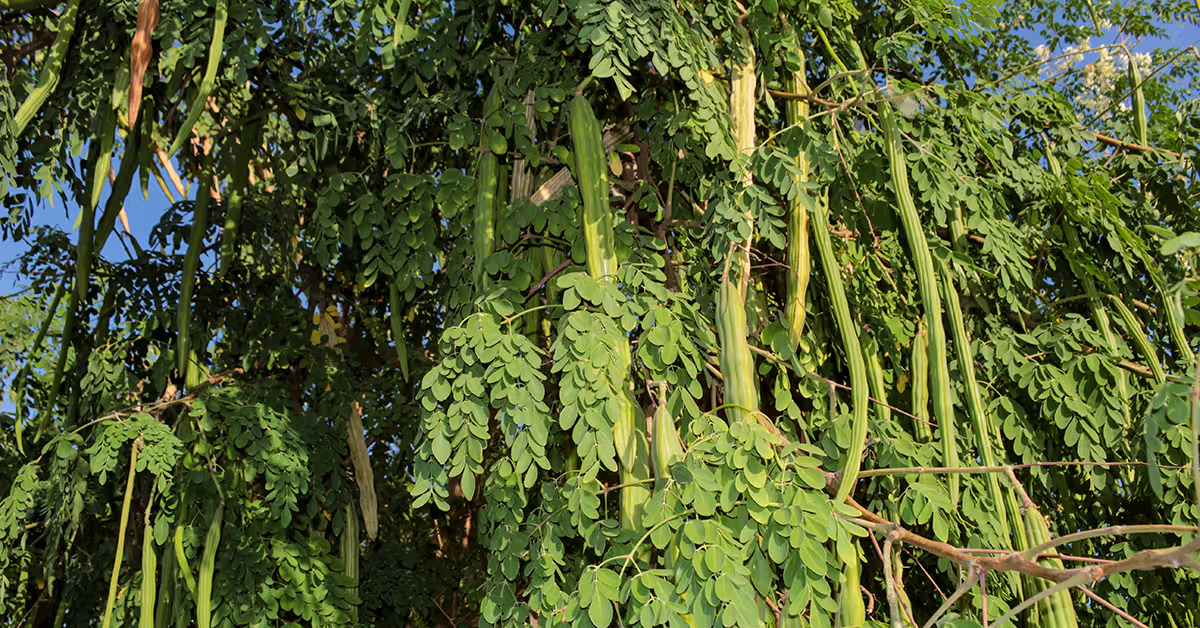
Chagga Moringa oleifera (miracle tree)
This tree is a widely used traditional medicine in Asia and Africa, leveraging all parts—leaves, roots, bark, and seeds—to treat ailments like high blood pressure, diabetes, infections, and inflammation. Rich in bioactive compounds, it acts as an antimicrobial, antioxidant, and anti-inflammatory agent, though scientific evidence, particularly human clinical trials, remains limited. Key Traditional and Medicinal Uses. Nutritional Support: Highly nutritious, leaves are used to treat malnutrition. Diabetes and Hypertension: Leaves and pods are traditionally used to regulate blood sugar and reduce blood pressure. Infections and Inflammation: Extracts show antibacterial, antifungal, and anti-inflammatory properties, helpful for skin infections and sores. Digestive Health: Used to alleviate stomach pain, ulcers, and promote gut health. Other Uses: Roots are sometimes used for rheumatic pain and toothaches, while flowers are used for treating inflammation. Key Pharmacological Findings Bioactive Constituents: Phytochemical analysis identified over 100 compounds, including flavonoids, glucosinolates, and phenolics. Nutrient-Dense: Contains significant amounts of proteins, fiber, vitamins (A, C), and minerals (calcium, potassium) Important Considerations and Safety Safety Advice: While generally safe, Moringa leaf powder may have potential interactions; always consult a doctor before use, especially if pregnant or taking medication. Limited Evidence: Many medicinal claims are based on traditional use or in vitro studies, necessitating more robust clinical trials to confirm therapeutic effects. Toxicity: Overuse or high doses of root extracts may be toxic, as seen in some studies.
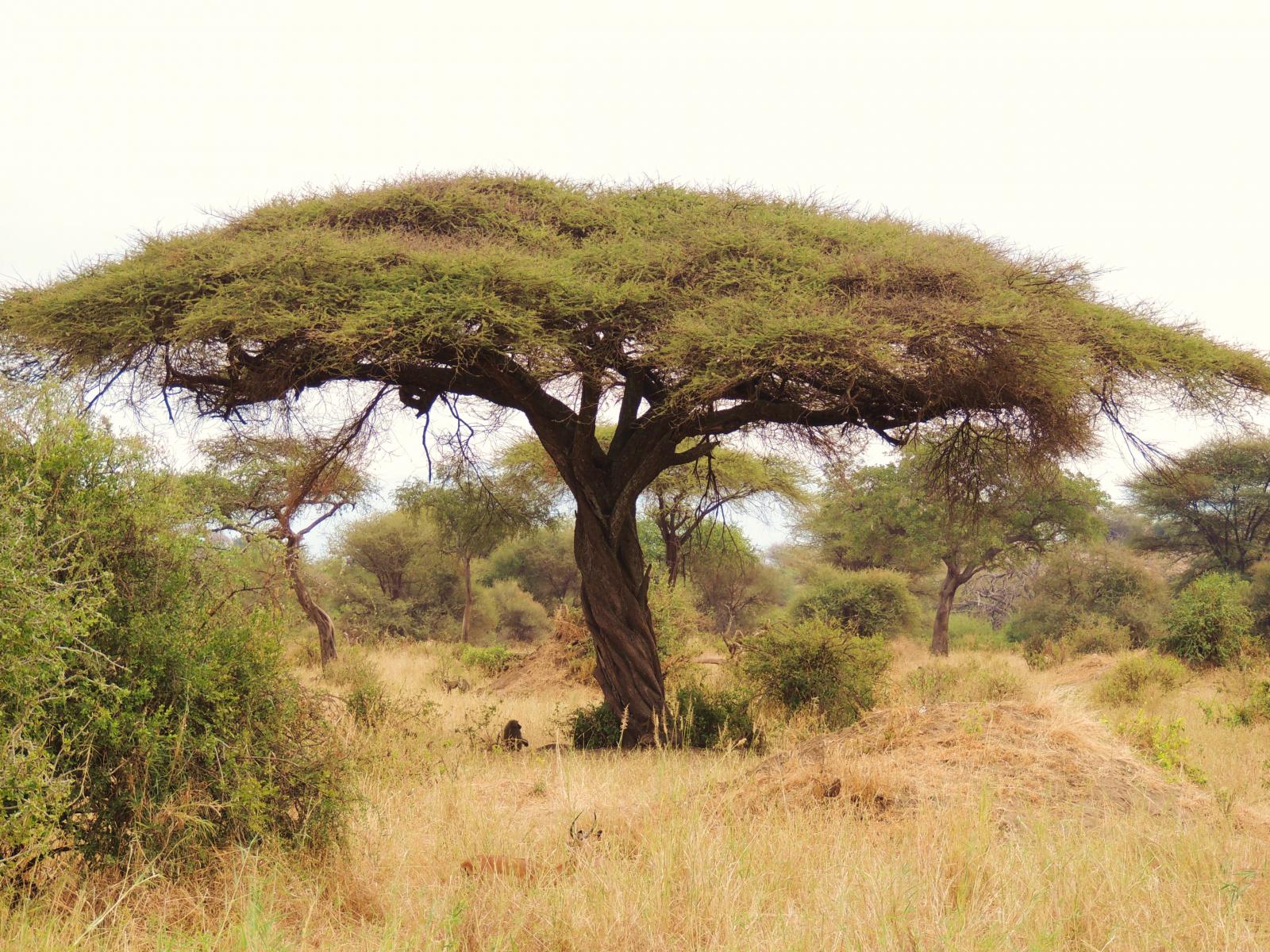
Chagga Acacia Tortilis
Leaves: Used for treating gastrointestinal distress, diarrhea, and in some areas, utilized for potential hypoglycemic (diabetes) and hypocholesterolemic (cholesterol) effects. Bark & Root: Applied in traditional medicine to address respiratory ailments, skin infections, and as a treatment for inflammatory reactions. Pods & Seeds: Sometimes used to treat stomach ailments and infections, with studies suggesting antioxidant properties. Preparation: Commonly administered through decoctions, infusions, or in powder form Diabetes management: Studies on Acacia tortilis leaves showed they can reduce blood glucose and improve cholesterol levels, specifically lowering LDL and increasing HDL in laboratory tests. Antioxidant & Liver Protection: Leaf extracts have demonstrated protective effects against liver damage due to their high antioxidant capacity. Anti-parasitic & Antimicrobial: Used locally to treat parasitic infections.
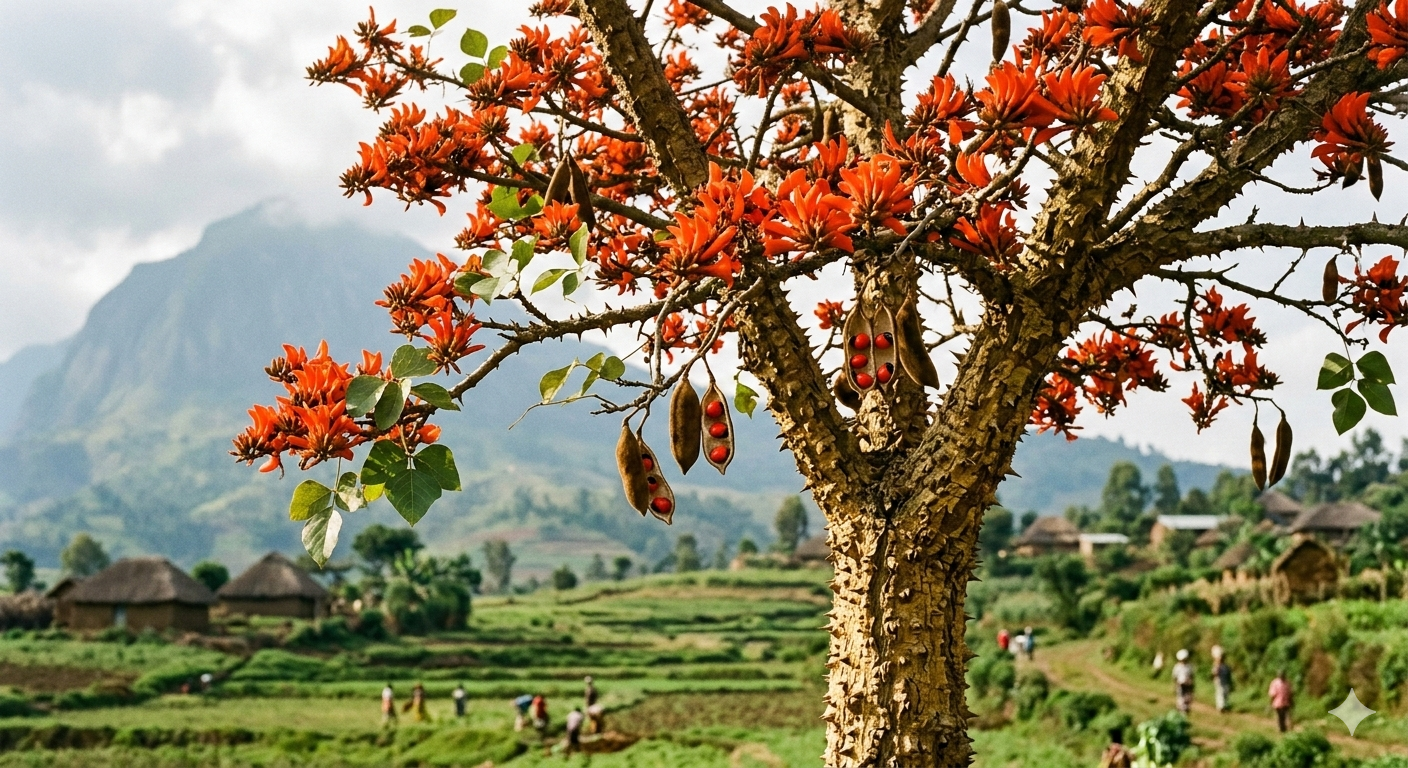
Chagga Erythrina abyssinica, commonly known as the Red-hot poker tree, Flame tree, or Lucky bean tree.
It covers its physical characteristics, habitat, uses, and traditional medicinal applications. Description: A deciduous tree, 6-12 m tall, with yellowish-brown, thick, corky, spined bark and trifoliate leaves. Flowers and Fruit: Produces brilliant orange-red flowers and woody, furry brown pods containing bright red seeds with a black patch. Uses: Seeds are popular for curios and necklaces; soft wood is used for carvings, drums, and beehives. Traditional Medicine: Bark is used for treating gonorrhoea, burns, and swellings; roots feature in malaria, syphilis, and snakebite treatments.
History of Healing
For generations, the Chagga people have utilized the diverse flora of Kilimanjaro. Our pharmacy center isn't just a shop – it's a museum of botanical research and indigenous knowledge.
Ethically sourced from local elders and farmers.
100% Organic and chemical-free preparations.
Preserving heritage through medicinal research.
*DISCLAIMER: Our products are traditional supplements rooted in cultural knowledge and have not been evaluated by modern medical boards.